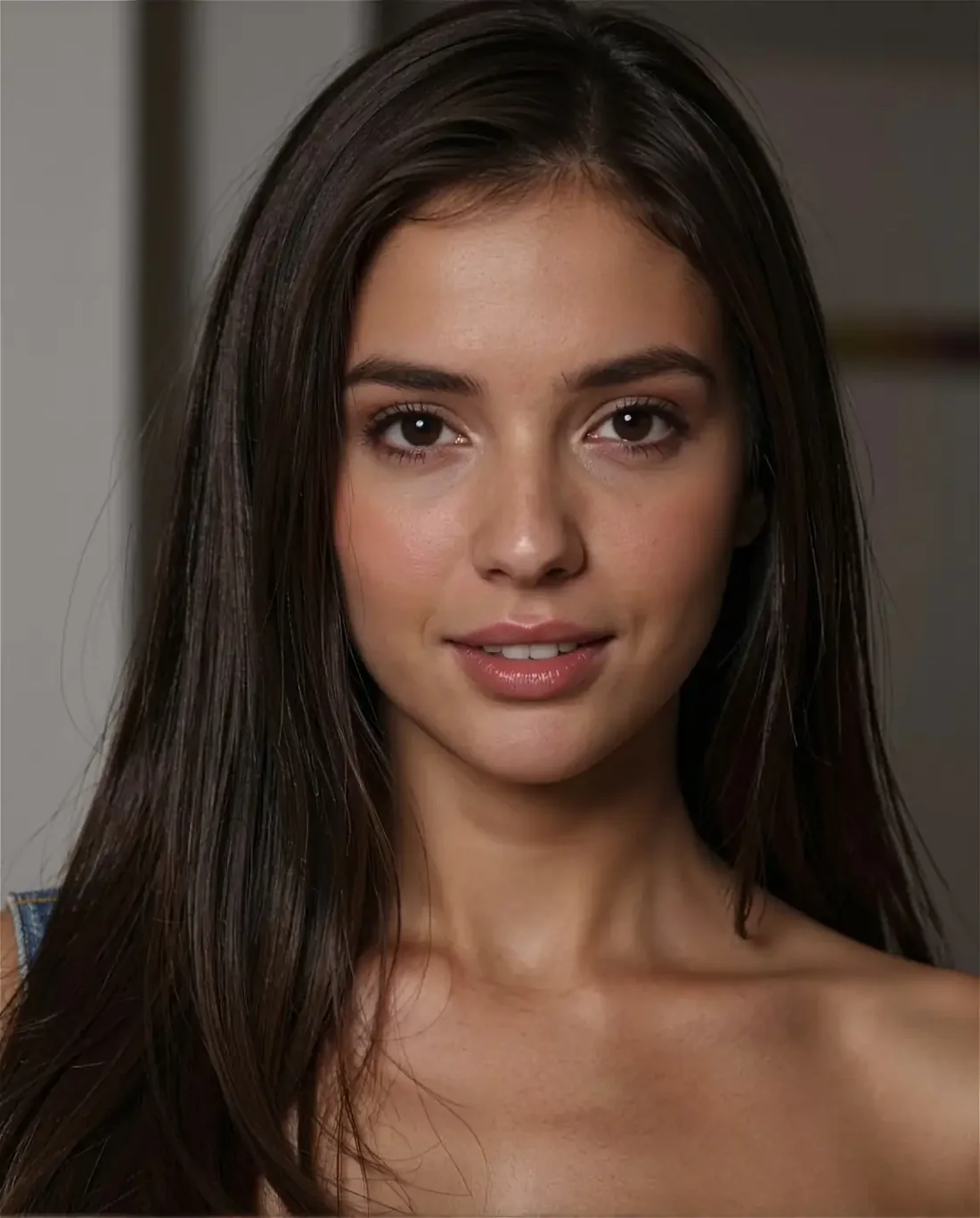
1. The face has to stay recognisable
Consistent facial structure, hair and age presentation matter more than a dramatic pose. If every image looks like a different person, the character never becomes a character.
The visual studio · illustrative preview
A character portrait is a promise about the world you're about to enter. Learn how light, colour, styling and framing change that promise — then explore the style set in our interactive visual studio. No images are generated on this website.
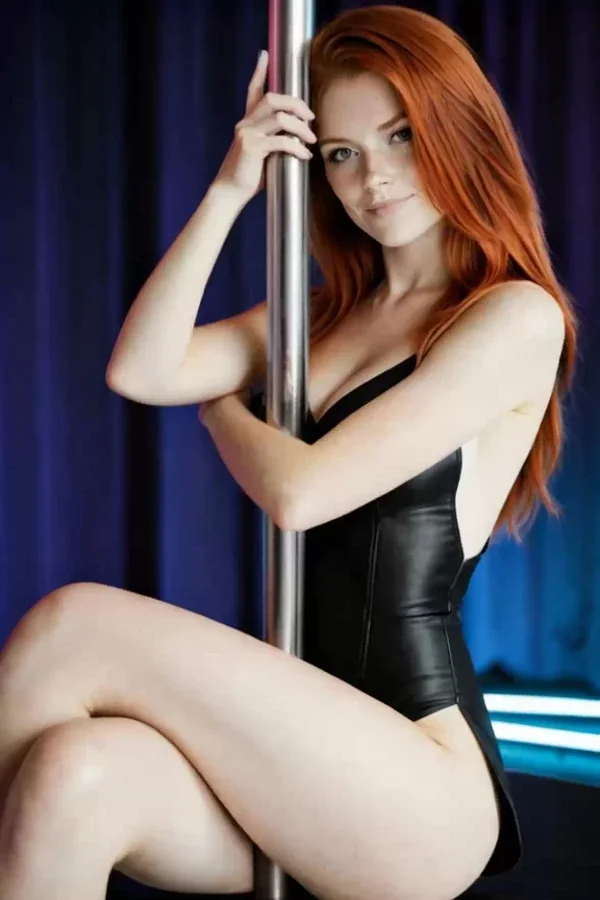 Original concept · adult character

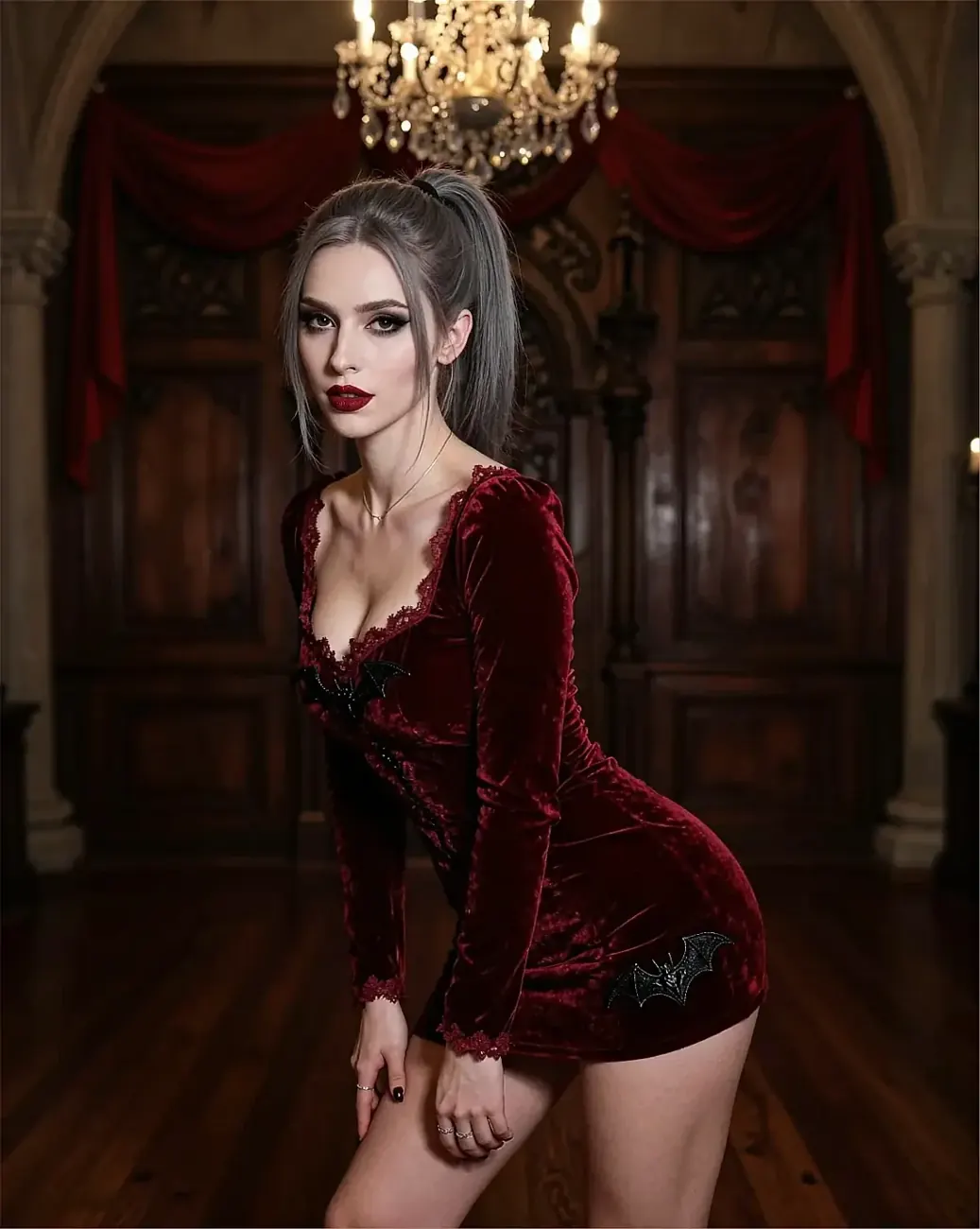
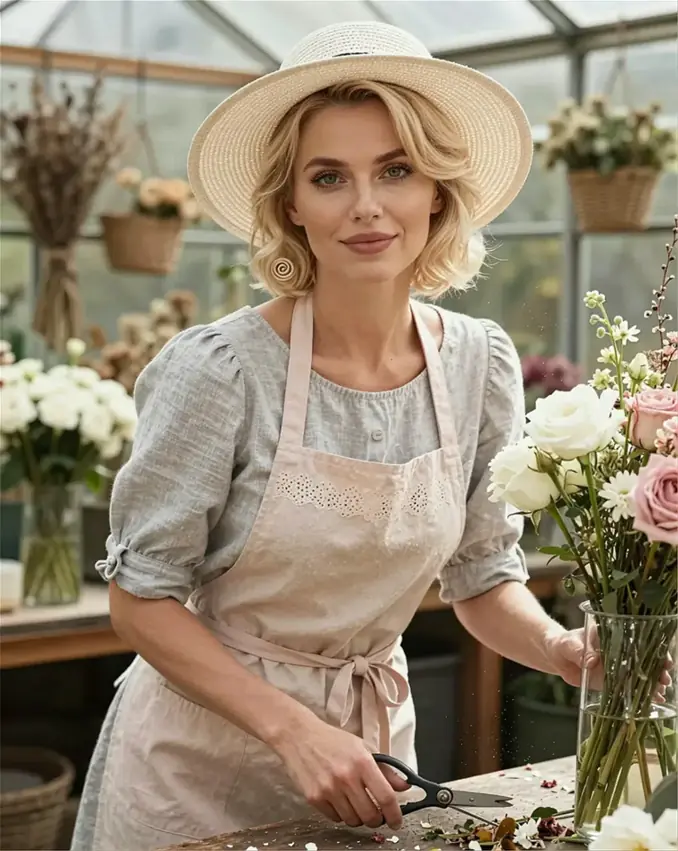
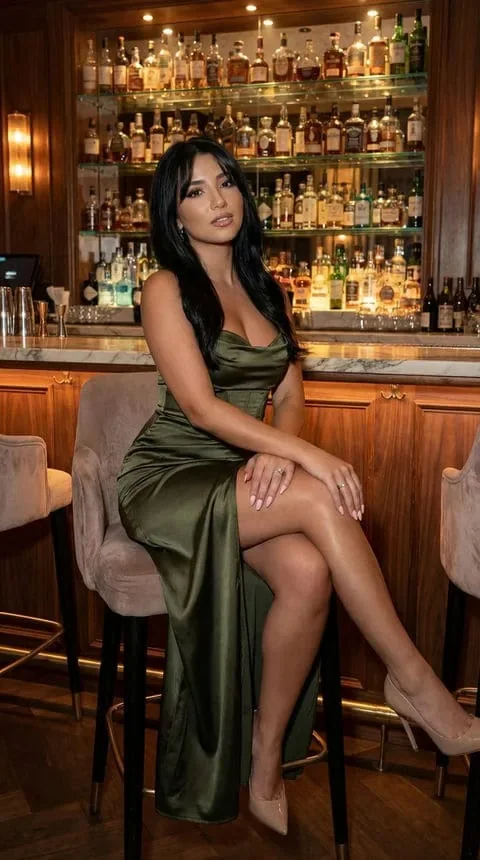
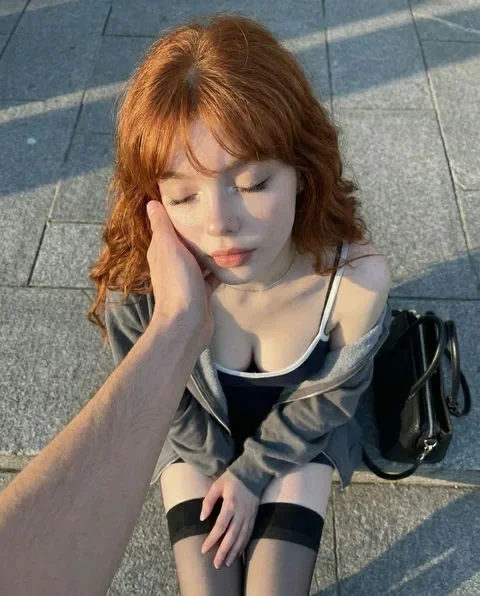
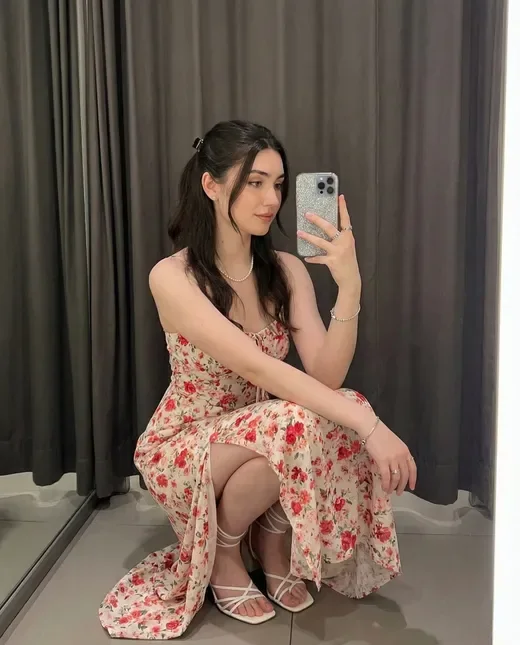
Look closer
Consistent facial structure, hair and age presentation matter more than a dramatic pose. If every image looks like a different person, the character never becomes a character.
Soft window light reads as intimate. Hard neon reads as dangerous or exciting. Candlelight suggests history and quiet. Choose the light that matches the scene, not just the most impressive image.
Tailoring, knitwear, a paint-stained apron, a velvet blazer. Clothing can imply profession, mood and how much the character cares about being perceived.
A rooftop garden, a night train, a glass studio. The background should give the character somewhere to exist between conversations, not simply fill empty space.
Visual vocabulary
| Element | What it changes | Useful phrase | Common pitfall |
|---|---|---|---|
| Lighting | Mood, depth and where the eye goes first. | “Soft practical light from a single window.” | Stacking five conflicting light sources. |
| Composition | Intimacy, scale and the story between subject and space. | “Medium portrait, subject slightly off-centre, room to look into.” | Centring every image until the gallery feels flat. |
| Palette | Emotional register and visual continuity. | “Deep indigo, lavender and a single warm rose accent.” | Colour that changes completely between scenes. |
| Styling | Personality, era and social context. | “Tailored emerald blazer, minimal jewellery.” | Outfits that contradict the character's established life. |
| Setting | Story potential and atmosphere. | “Quiet observatory with a violet nebula outside.” | Generic backdrops with no connection to the character. |
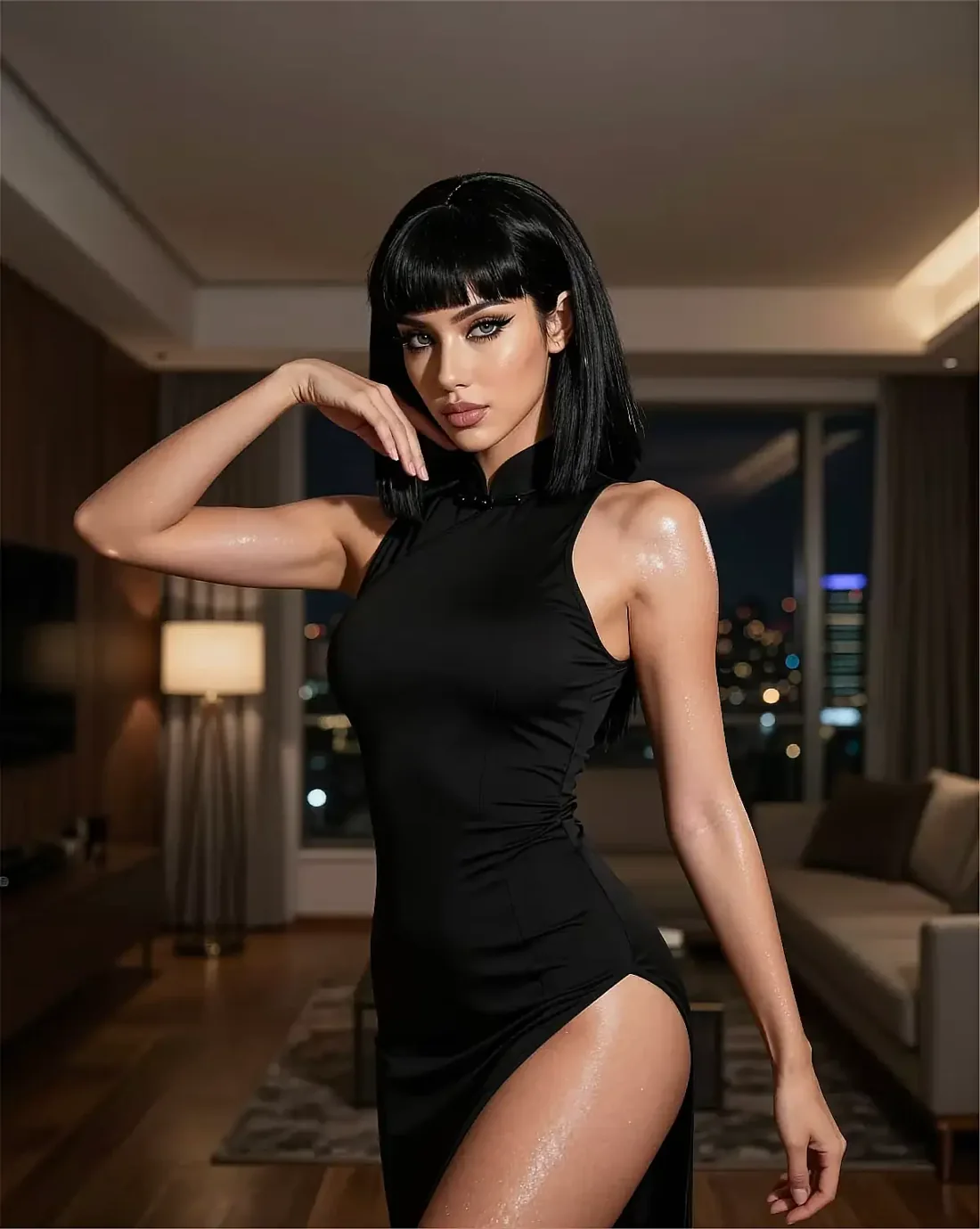 Consistency study
Across a whole set
If you want a character to feel like one person across several images, keep a short reference list: face shape, hair, eye colour, age range, body type, signature clothing and two or three environmental details. Then vary the pose, setting and styling without changing the spine.
This is also useful for storytelling. A character who always wears the same ring, lives above the same bookshop or gravitates toward green light becomes easier to recognise. The best visual sets are coherent enough to belong together and varied enough to stay interesting.
Responsible image creation
AI image tools make it easy to create polished character art. They also make it easy to misuse someone's likeness or create content that harms real people. Good creative direction includes knowing where the line is.
We only show original, tasteful, fully clothed adult character concepts. We do not provide or promote real-person nudification, sexualised images of real people, or imagery involving minors.
Read the adult content experienceDo not use a public figure, acquaintance or private individual as an adult image subject without consent and legal permission.
All characters must clearly be adults. Age ambiguity is not an aesthetic choice in adult content — it's a risk.
Content policies, verification requirements and regional restrictions vary. Check the destination service before using its tools.
Original characters reduce legal and ethical risk. Avoid copying protected characters, brands or an artist's distinctive style without consent.
Continue the direction
Pair a visual language with a personality and a conversation rhythm. The character studio helps you keep those decisions together.
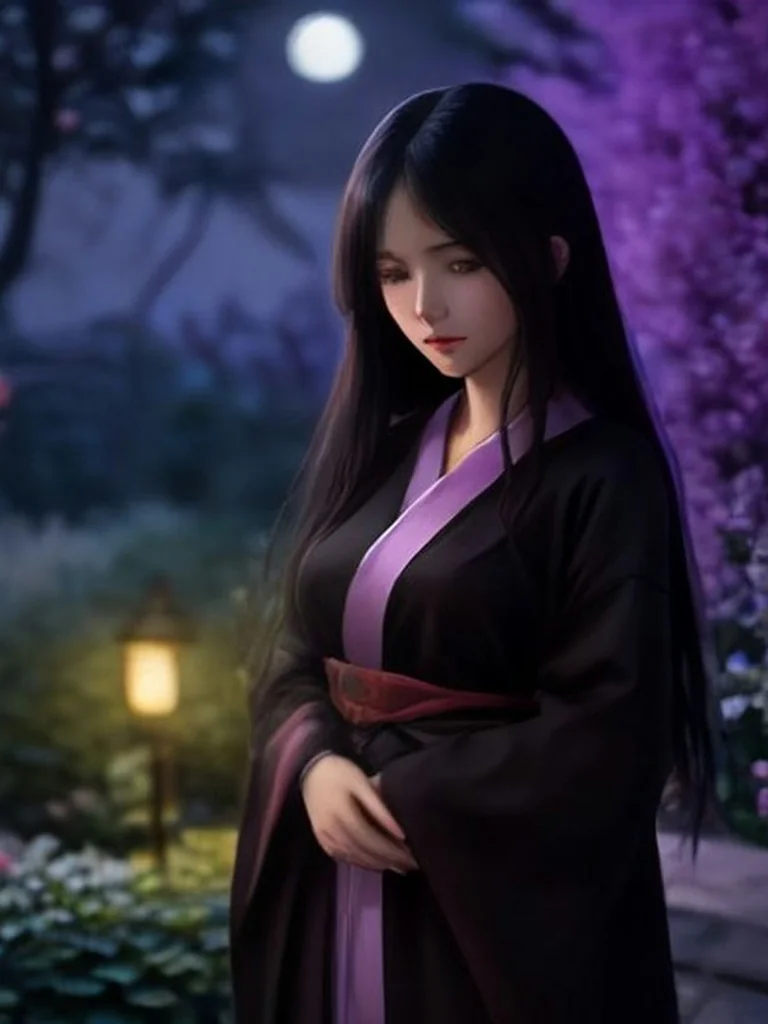 Anime style
Compare how adult anime styling changes atmosphere, expression and story possibilities.
Read the anime AI experience →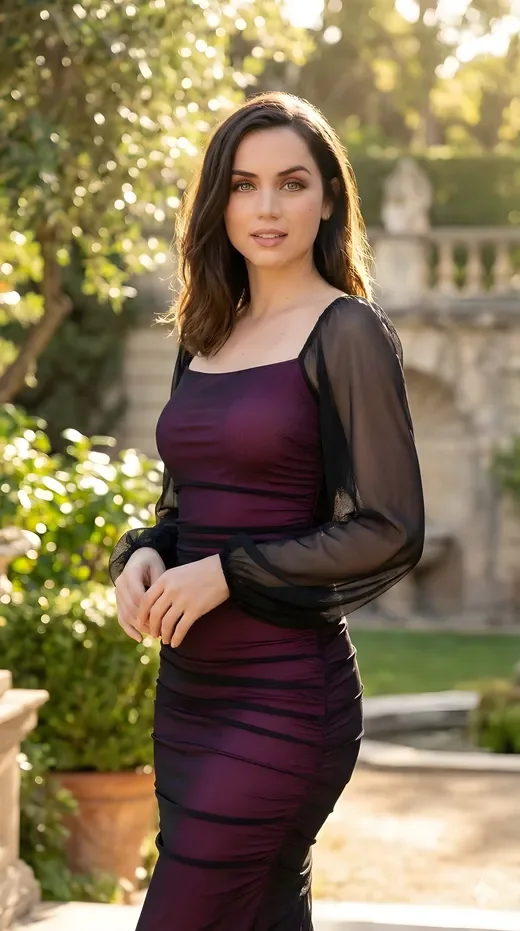 Story worlds
Settings give portraits somewhere to live. Explore five story scenarios built around adult characters.
Explore roleplay →Beyond the preview
Explore lighting, styling and settings to find a visual direction that fits your character.
Find your next experience with Deep Bonga.